
Debunking Myths Will A Dehumidifier Really Kill Mold In Your Home
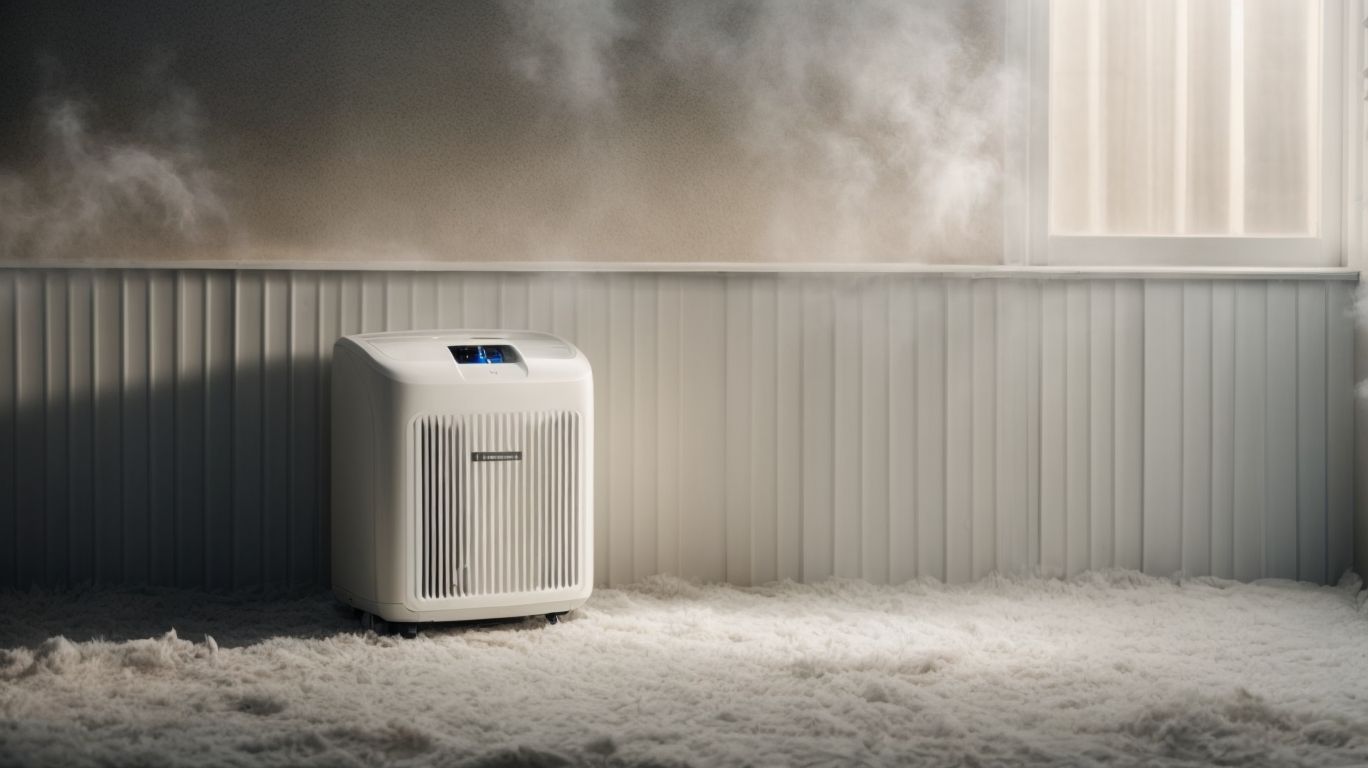
Concerned about mold growth in your home?
Understanding the role of dehumidifiers in mold prevention is crucial.
We explore what mold is, how it thrives in indoor environments, and the connection between humidity and mold growth.
Debunking common myths surrounding dehumidifiers and mold, discussing the benefits of using a dehumidifier, and providing tips on choosing the right one for mold prevention.
Stay tuned for best practices on effectively using a dehumidifier to combat mold.
Key Takeaways:
- Dehumidifiers are not a foolproof solution for eliminating mold, but they can greatly reduce its growth by controlling humidity levels in your home.
- Choosing the right dehumidifier and using it properly are key factors in effective mold prevention and improving indoor air quality.
- Proper placement and regular maintenance of dehumidifiers are necessary to achieve maximum effectiveness in combatting mold growth.
Introduction
Attic and crawlspace solutions by Unlimited Restoration in Camden and Columbia SC are the go-to experts for mold remediation and property restoration.
Understanding the myths and facts about black mold is crucial for the health and safety of individuals in indoor environments. It’s essential to differentiate between the misconceptions and realities associated with mold growth, especially the notorious black mold. Mold, including black mold, can pose serious health risks, exacerbating respiratory problems and allergies.
When left unchecked, mold can cause substantial damage to the property’s structural integrity, leading to costly repairs. That’s why relying on professionals like Unlimited Restoration for comprehensive mold remediation services is imperative.
Understanding the Role of Dehumidifiers in Mold Prevention
To understand the importance of dehumidifiers in mold prevention, we must first grasp how mold thrives in indoor environments due to excess moisture. Dehumidifiers play a crucial role in combating mold growth by regulating indoor humidity levels and targeting hidden moisture sources.
The ability of dehumidifiers to control moisture levels not only inhibits mold growth but also discourages the spread of existing mold spores. By reducing the humidity in the air, dehumidifiers create an environment that is unfavorable for mold to multiply.
These devices are designed to detect and extract moisture from hard-to-reach areas, such as crawl spaces and basements, where mold often flourishes unnoticed. This targeted approach helps in eradicating hidden moisture spots that can serve as breeding grounds for mold.
What is Mold and Why is it a Concern?
Mold, a type of fungi that reproduces through mold spores, can pose serious health risks to individuals, especially those with weakened immune systems. Some molds produce toxic substances that can cause adverse health effects.
When mold spores are released into the air, they can be inhaled or come into contact with the skin, potentially leading to respiratory issues, allergic reactions, and irritation of the eyes, skin, throat, and lungs. Prolonged exposure to toxic mold has been linked to various health problems, including respiratory infections, asthma exacerbation, fatigue, headaches, cognitive impairment, and in severe cases, organ damage.
How Does Mold Grow and Thrive in Indoor Environments?
Mold thrives in indoor environments where moisture is present, leading to rapid growth and potential property damage.
Factors that promote mold growth indoors include high humidity levels, water leaks, poor ventilation, and damp areas like basements and bathrooms.
When left unchecked, mold can damage walls, ceilings, carpets, and wooden structures, compromising the integrity of the property.
The contamination risks associated with indoor mold include respiratory issues, allergic reactions, headaches, and even neurological symptoms in some cases.
It is crucial to address any mold infestation promptly to prevent further damage and safeguard the health of occupants.
Exploring the Connection Between Humidity and Mold Growth
The link between humidity levels and mold growth is undeniable, as excess moisture creates an ideal environment for mold proliferation. Dehumidifiers play a pivotal role in preventing mold by controlling humidity levels and eliminating the musty smell associated with mold infestations.
High levels of humidity can lead to damp conditions in homes, allowing mold spores to thrive and reproduce rapidly. When the air is too moist, it facilitates the growth of mold on surfaces like walls, ceilings, and even furniture. Mold not only damages the structural integrity of a place but also poses health risks, especially for individuals with respiratory issues.
Dehumidifiers are designed to extract excess moisture from the air, maintaining an optimal humidity level that inhibits mold growth. By reducing humidity levels, dehumidifiers create an environment that is inhospitable to mold spores, effectively preventing their colonization.
Dehumidifiers help combat the musty smell that often accompanies mold infestations. This unpleasant odor is a result of volatile organic compounds released by mold and can linger in the air even after the mold is removed. Dehumidifiers work to purify the air and eliminate these odors, improving the overall indoor air quality.
Debunking Common Myths About Dehumidifiers and Mold
Let’s uncover the truths behind common misconceptions about dehumidifiers and their efficacy in mold prevention. Understanding the real impact of dehumidifiers and debunking myths surrounding cleaning methods, OSHA, and EPA guidelines is crucial for effective mold remediation.
One prevalent myth is that dehumidifiers alone can completely eliminate mold, but the reality is that they are one component in a comprehensive mold prevention strategy.
Proper humidity control is essential, and dehumidifiers play a significant role in maintaining optimal moisture levels to inhibit mold growth. Regular cleaning and disinfection are equally important in preventing mold proliferation.
It’s also a misconception that following OSHA and EPA guidelines for mold remediation is excessive. These standards are in place to ensure safety and effectiveness, emphasizing the importance of thorough cleaning, proper equipment usage, and protective gear for workers.
Myth One: Using a Dehumidifier Alone Can Completely Eliminate Mold
One common myth is that relying solely on a dehumidifier can eradicate mold completely, which is not the case. While dehumidifiers help control moisture levels, mold remediation often requires specialized cleaning products and professional intervention.
Mold spores can be pervasive, lurking in unseen corners and spreading rapidly under the right conditions. Therefore, using a dehumidifier is just one step in the comprehensive process of mold removal. Specialized cleaning products, such as mold-specific cleaners and disinfectants, are crucial for effectively treating affected areas. These products are designed to not only remove visible mold but also target spores to prevent regrowth. Professional mold remediators have the expertise to assess the extent of the infestation and use the appropriate tools and techniques to safely eliminate mold from the root.
Myth Two: Dehumidifiers Can Cause Mold Growth in Certain Conditions
There is a misconception that dehumidifiers can promote mold growth under specific conditions.
In reality, when maintained properly and equipped with appropriate filtration units, dehumidifiers can effectively reduce harmful particles and inhibit mold proliferation.
Proper maintenance of dehumidifiers plays a crucial role in preventing the growth of mold. Regular cleaning and servicing of the device are essential to ensure that it functions optimally in extracting excess moisture from the air.
The type of filtration unit used in the dehumidifier is a key factor in preventing mold formation. High-quality filters can capture mold spores, dust, and other allergens, preventing them from recirculating into the air.
By controlling humidity levels and effectively filtering the air, dehumidifiers create an environment that is unfavorable for mold growth, thus debunking the myth that they contribute to mold proliferation.
Myth Three: All Dehumidifiers Are Equally Effective in Mold Prevention
Another misconception is that all dehumidifiers offer the same level of effectiveness in mold prevention.
Regarding combating mold growth, it’s crucial to understand that the efficacy of a dehumidifier greatly depends on several factors. The size of the space being treated, the level of humidity in the environment, and the specific features of the dehumidifier all play a significant role in its performance. Choosing the right dehumidifier tailored to your unique needs is essential for optimal results. The expertise of professionals armed with HEPA vacuums and specialized cleaning solutions can further enhance the effectiveness of mold mitigation efforts.
Benefits of Using a Dehumidifier in Mold Prevention
Discover the myriad benefits of incorporating dehumidifiers in mold prevention strategies. From improving indoor air quality to alleviating allergies and reducing respiratory symptoms, dehumidifiers play a vital role in enhancing the well-being of individuals in indoor environments.
By maintaining optimal humidity levels, dehumidifiers create an unfavorable environment for mold growth, effectively thwarting its proliferation. Through this mechanism, they help in safeguarding the structural integrity of buildings and preventing potential health hazards associated with mold exposure. The reduction of excess moisture by dehumidifiers not only curtails the spread of mold spores but also inhibits the growth of other harmful microorganisms that thrive in damp conditions.
How Dehumidifiers Help in Controlling Indoor Humidity Levels
Dehumidifiers play a significant role in regulating indoor humidity levels, thereby preventing mold growth and the associated risks.
Through their ability to extract excess moisture from the air, dehumidifiers create an environment less conducive to mold formation. This is particularly crucial in areas with high humidity levels or poor ventilation, where mold thrives. By reducing the moisture content in the air, dehumidifiers not only inhibit mold growth but also help in safeguarding furniture, electronics, and other moisture-sensitive items in your home.
Preventing Mold Growth Through Proper Use of Dehumidifiers
Effective mold prevention hinges on the proper use of dehumidifiers to inhibit mold growth.
Implementing preventive techniques such as ensuring proper ventilation in damp areas, fixing leaks promptly, and using exhaust fans in bathrooms can significantly reduce moisture levels, hence inhibiting mold proliferation. Combining thorough cleaning practices with the use of mold-specific cleaning products, like a solution of water and vinegar, or hydrogen peroxide, can help eradicate existing mold colonies and prevent their recurrence. Regularly monitoring humidity levels and using a dehumidifier with appropriate capacity for the space’s size are crucial steps in maintaining a mold-free environment.
Improving Indoor Air Quality with Dehumidifiers
Dehumidifiers contribute significantly to enhancing indoor air quality by reducing allergens, eliminating the musty smell associated with mold, and filtering harmful particles. Understanding how dehumidifiers enhance air quality is essential for creating a healthier indoor environment.
By controlling humidity levels, dehumidifiers inhibit the growth of mold and dust mites, both of which are common triggers for allergies. This, in turn, leads to a reduction in allergy symptoms and respiratory issues. The filtration units in dehumidifiers capture airborne particles, such as dust, pet dander, and pollen, improving the overall air quality. The elimination of excess moisture also helps in preventing the proliferation of bacteria and fungi, further enhancing the freshness of the air indoors.
Choosing the Right Dehumidifier for Mold Prevention
Selecting the appropriate dehumidifier is crucial for effective mold prevention. Understanding the factors to consider, types of dehumidifiers suitable for different spaces, and the role of professionals in equipment selection ensures optimal mold mitigation.
When deciding on a dehumidifier, humidity levels in the space must be the primary consideration. The square footage of the area, the degree of dampness, and the presence of existing mold issues will dictate the capacity needed. For smaller rooms like bathrooms or closets, a portable or mini dehumidifier might suffice, while larger areas like basements or whole houses may require more heavy-duty units.
An integral feature to look for in dehumidifiers is a built-in hygrometer that automatically regulates humidity levels. This ensures that the device runs efficiently without over-drying the air, leading to discomfort. Likewise, considering the noise level of the unit can be crucial, especially if it will be used in living spaces or bedrooms.
Factors to Consider When Selecting a Dehumidifier for Mold Prevention
When selecting a dehumidifier for mold prevention, factors such as the extent of property damage, research on suitable models, and professional recommendations play a crucial role in effective decision-making. Understanding these considerations ensures optimal mold control.
Considering the extent of property damage is vital to determine the capacity and coverage needed from the dehumidifier. Homes with extensive water damage may require high-capacity units or multiple dehumidifiers strategically placed throughout the area to effectively combat mold growth.
Researching different dehumidifier models is important to select the one best suited for the specific property and moisture levels. Factors such as energy efficiency, noise levels, and maintenance requirements should be taken into account to ensure long-term cost-effectiveness and convenience.
Types of Dehumidifiers Suitable for Different Spaces
Different spaces require specific types of dehumidifiers tailored to their unique needs. Understanding the suitability of dehumidifiers for commercial property versus residential environments is essential for effective mold prevention.
Regarding commercial properties, high-capacity dehumidifiers are often recommended due to the larger square footage and heightened moisture levels typically found in such spaces. These units are designed to handle the demands of industrial settings, helping to maintain optimal humidity levels in warehouses, manufacturing facilities, and office complexes.
On the other hand, residential properties benefit from more compact and versatile dehumidifiers that can efficiently regulate moisture in small to medium-sized rooms, such as living areas, bedrooms, and basements.
Best Practices for Using a Dehumidifier to Combat Mold
Implementing best practices when using dehumidifiers is crucial in combatting mold effectively. Initiating preventive measures, seeking emergency services when needed, and knowing the appropriate repair hotlines are essential components of mold management.
One of the key preventive measures is ensuring proper ventilation in areas prone to dampness, as stagnant air can promote mold growth.
Regularly checking and emptying the dehumidifier’s water collection tank is vital to prevent excess moisture accumulation.
If you encounter a severe mold infestation that requires immediate attention, do not hesitate to contact emergency services for professional assistance.
Keeping contact details for reputable mold remediation companies or repair services handy can expedite the process of addressing mold issues promptly and effectively.
Optimal Placement of Dehumidifiers for Maximum Effectiveness
The strategic placement of dehumidifiers plays a crucial role in maximizing their effectiveness in addressing moisture issues and facilitating repairs. Understanding the optimal locations for dehumidifier placement is key to efficient mold prevention.
Placing dehumidifiers strategically involves identifying areas with high humidity levels such as basements, bathrooms, and kitchens, where mold and mildew thrive. By positioning the dehumidifier close to moisture sources, such as water heaters or laundry rooms, you ensure that excess moisture is efficiently extracted.
Proper positioning also includes allowing for good airflow around the dehumidifier for optimal performance. Placing them near wall cracks or leaky windows aids in drying out areas prone to water seepage, aiding in repair support.
Regular Maintenance and Cleaning of Dehumidifiers for Mold Prevention
Regular maintenance and cleaning of dehumidifiers are essential steps in mold prevention. Conducting thorough research on maintenance practices and accessing repair hotlines for professional assistance ensure optimal dehumidifier performance.
Dehumidifiers play a crucial role in reducing excess moisture in indoor spaces, creating an environment unsuitable for mold growth. Neglecting maintenance can lead to decreased efficiency and potential mold contamination. Establishing a routine cleaning schedule, such as regularly emptying and cleaning the water tank, replacing filters, and checking for any leaks or malfunctions, is key to prolonging the lifespan of your dehumidifier. Remember that mold can proliferate quickly in damp environments, underscoring the importance of consistent upkeep. By reaching out to repair hotlines, individuals can troubleshoot issues promptly, preventing more significant problems down the line.
Conclusion
The effective use of dehumidifiers in mold prevention is paramount for safeguarding health and property from the detrimental effects of mold contamination.
Excess moisture in indoor spaces creates the perfect breeding ground for mold, leading to potential respiratory issues, allergic reactions, and other health problems. By using dehumidifiers, you can control humidity levels, preventing mold growth and safeguarding the well-being of occupants.
Mold infestations can cause structural damage to buildings, leading to costly repairs and decreased property value. A dehumidifier serves as a proactive measure to protect your property by inhibiting mold growth and maintaining a healthy indoor environment.
Considering the impact of mold on health and the environmental implications of mold contamination, investing in a quality dehumidifier is a wise decision for long-term health and property preservation.
Frequently Asked Questions
1. Will using a dehumidifier really kill mold in my home?
While a dehumidifier can help prevent mold growth, it is not a guaranteed solution for killing mold. Dehumidifiers only remove excess moisture from the air, and mold can still grow on surfaces that have not been properly cleaned.
2. Can I just rely on a dehumidifier to get rid of mold in my home?
No, a dehumidifier should not be the only method used to address mold in your home. It is important to also properly clean and disinfect affected areas to completely get rid of mold.
3. Do I need a professional to use a dehumidifier for mold prevention?
It is recommended to seek professional help to properly address mold in your home. They can assess the severity of the mold and provide the best course of action, which may include using a dehumidifier.
4. Is it true that using a dehumidifier will make my home too dry?
No, using a dehumidifier should not make your home too dry. It helps to maintain a healthy level of humidity in your home, which is typically between 30-50%.
5. Can I use a dehumidifier to get rid of mold on my own?
While it is possible to use a dehumidifier on your own, it is not recommended. A professional can properly assess the situation and provide the best solution for getting rid of mold in your home.
6. Will a dehumidifier completely eliminate mold in my home?
A dehumidifier can help prevent mold growth by reducing excess moisture, but it may not completely eliminate mold in your home. Proper cleaning and disinfection are crucial for completely getting rid of mold.
Attic and Crawl Space Solutions
191 W Jones Ln
Lugoff, SC 29078
803-310-6330
https://atticandcrawlspacesolutions.net/
https://www.google.com/maps?cid=9197437637739861208
Fix It for Good — Related Services
Reading about the problem is step one. These pages cover what we actually do about it, what it costs, and how the 100% free inspection works:


