
Does an Encapsulated Crawl Space Need a Dehumidifier
If one is considering an encapsulated crawl space for their home, questions regarding its maintenance and air quality may arise. This article delves into the specifics of encapsulated crawl spaces, emphasizing their advantages, the importance of proper insulation, and the critical role that dehumidifiers play in fostering a healthy environment.
It will address the various types of dehumidifiers, including professional-grade options, the circumstances under which they are necessary, and the potential repercussions of neglecting this important aspect. Readers are encouraged to continue for insights on maintaining a dry crawl space, effective humidity control, and ensuring overall comfort within their home.
Key Takeaways:
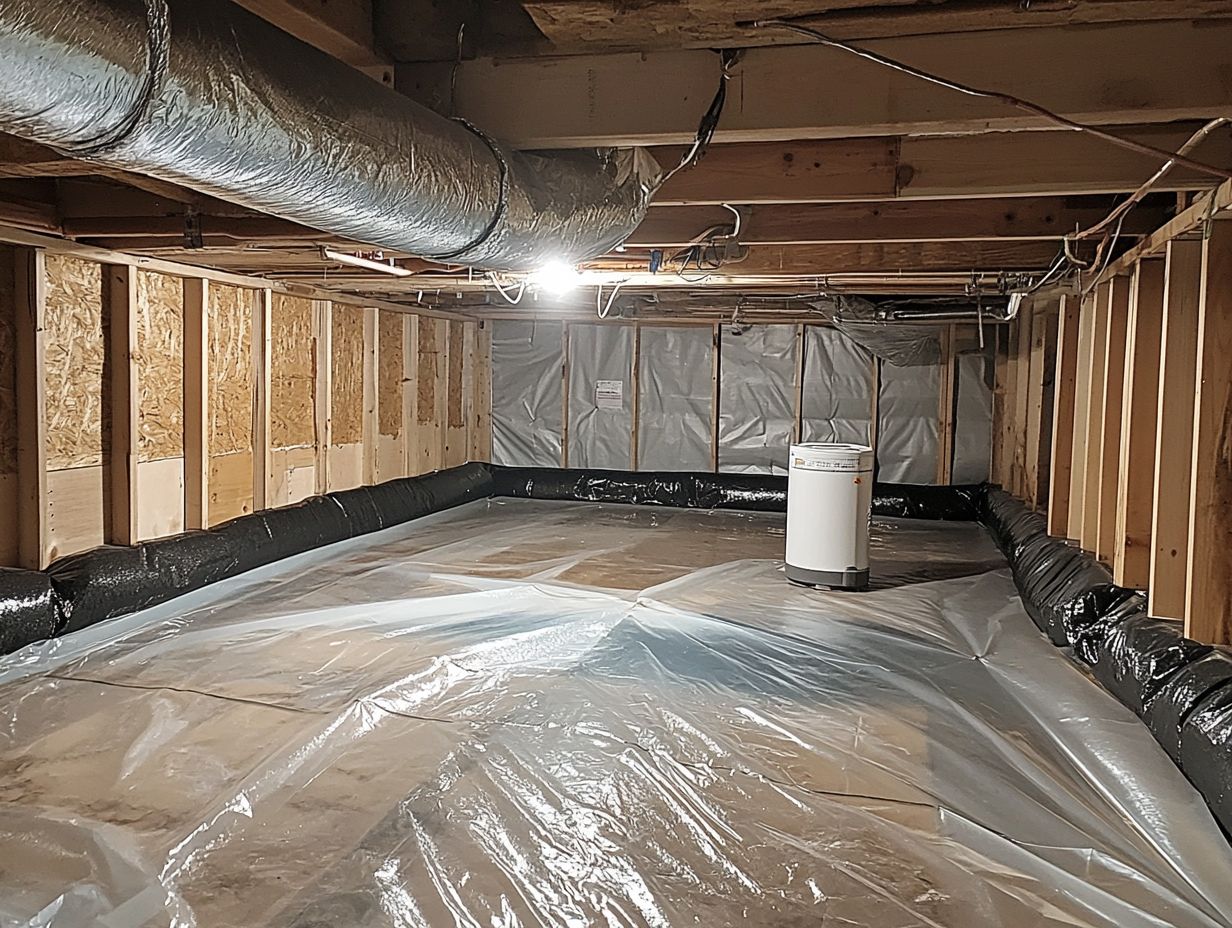
- An encapsulated crawl space helps to reduce moisture and improve air quality, but it may not always require a dehumidifier.
- Factors such as climate, ventilation, high humidity, and any existing moisture issues should be considered before deciding on a dehumidifier for an encapsulated crawl space.
- A professional assessment from a company like DBS or South Central Services can help determine if a dehumidifier is necessary for your encapsulated crawl space.
1. DBS
DBS, or Dehumidifier and Basement Solutions, specializes in providing comprehensive services for managing humidity levels in crawl spaces and enhancing indoor air quality. With a particular emphasis on encapsulation and insulation, South Central Services, under the leadership of Kilian Agha in Greencastle, Pennsylvania, is committed to addressing moisture issues, preventing mold growth, and mitigating the health risks associated with elevated humidity levels. Additionally, they offer solutions to root problems such as moisture problems and vented crawl spaces.
Our expertise encompasses the provision of professional-grade dehumidifiers and HVAC equipment solutions specifically designed to meet the unique requirements of residences in Climate Zone 5.
By implementing advanced humidity control strategies, our team effectively prevents mold proliferation while simultaneously enhancing energy efficiency, resulting in reduced energy bills for homeowners. The encapsulation process is instrumental in keeping crawl spaces dry and free from moisture, thereby ensuring that clean air circulates throughout the home. This includes the use of HVAC equipment and specialty items like crawl space tape to seal air leaks.
This commitment to maintaining healthy indoor environments significantly contributes to overall home improvement, increasing comfort and protecting against respiratory issues that are often associated with poor air quality. With DBS’s dedicated services, residents can experience a safer and more inviting living space.
What Is an Encapsulated Crawl Space and How Does It Work? Exploring the Role of Air Conditioning and HVAC Systems
An encapsulated crawl space is an effective method of sealing off the crawl space to prevent moisture intrusion, thereby controlling humidity levels and creating a more stable environment for the home. This system employs high-quality insulation, vapor barriers, and, in some cases, air conditioning units to ensure that the crawl space remains dry. This minimizes the risk of mold growth and helps maintain optimal air quality throughout the residence. Crawl space encapsulation is a transformative approach to home improvement.
By utilizing a vapor barrier, homeowners can effectively block moisture from the ground, which is essential in preventing water vapor from permeating the air within the encapsulated area. The insulation serves as a thermal barrier, regulating the temperature of the crawl space and further contributing to reduced energy costs.
Maintaining controlled humidity levels is not solely a matter of comfort; it significantly impacts the health of both the structure and its occupants. Effective humidity management helps prevent mold-related issues that could lead to serious health concerns and costly repairs. This comprehensive approach results in a healthier living environment, thereby supporting overall well-being. The use of advanced HVAC systems, including EnergyStar certified models, can further optimize these benefits.
What Are the Benefits of an Encapsulated Crawl Space?
The advantages of an encapsulated crawl space are substantial, ranging from improved humidity control to significant reductions in energy costs, thereby fostering a healthier living environment. By mitigating mold growth and maintaining a stable climate within the crawl space, homeowners can experience cleaner air and enhanced overall comfort in their residences.
This approach effectively addresses prevalent moisture issues such as dampness and condensation, which can lead to mold proliferation and damage to structural wooden elements. Research indicates that homes with encapsulated crawl spaces maintain humidity levels between 30-50%, thereby considerably diminishing the risk of mold formation compared to unsealed spaces.
Moreover, by addressing air leaks and enhancing insulation, encapsulation can facilitate energy savings of up to 15-20%, thereby increasing the efficiency of heating and cooling systems. Additionally, by limiting the infiltration of outdoor allergens and pollutants, encapsulation contributes to improved indoor air quality, resulting in a healthier atmosphere for occupants, which is particularly advantageous for individuals with respiratory concerns.
When Is a Dehumidifier Needed in an Encapsulated Crawl Space?
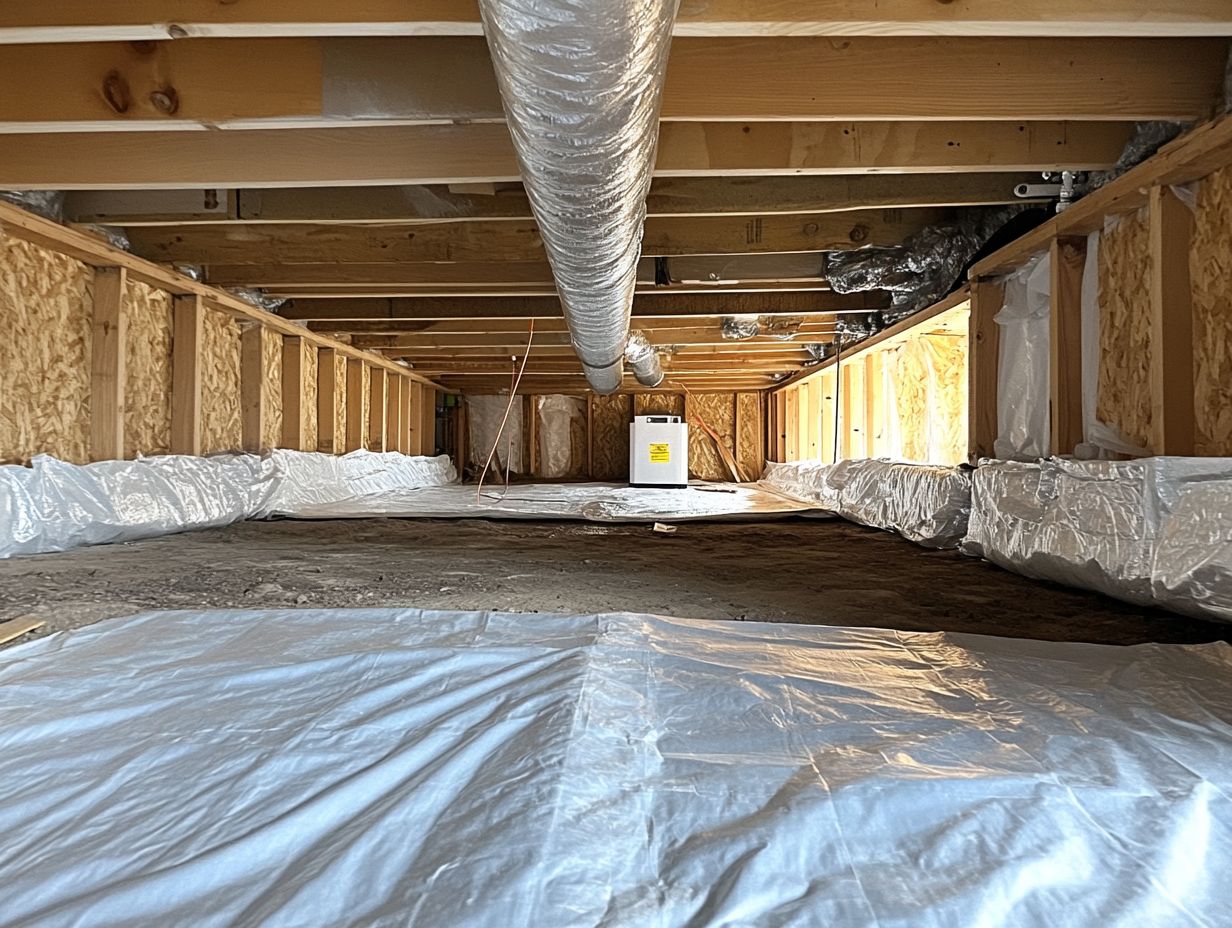
A dehumidifier is essential in an encapsulated crawl space when humidity levels exceed the recommended threshold, typically around 60%. Elevated humidity can lead to moisture-related issues and the potential for mold growth. Implementing this measure is critical to ensure that the encapsulation system operates effectively, thus maintaining the desired air quality and temperature within the home.
Identifying the necessity for a dehumidifier involves recognizing several indicators, such as condensation on windows, the presence of a musty odor, or visible mold. Homeowners can employ hygrometers to accurately measure indoor humidity levels, offering a clear assessment of the environment. Optimal humidity levels for health and comfort generally range from 30% to 50%.
By utilizing a dehumidifier, it is possible to effectively reduce excess moisture, leading to improved indoor air quality, enhanced comfort, and a significant decrease in allergic reactions. Maintaining appropriate humidity levels not only prevents structural damage but also extends the lifespan of the building’s components.
What Happens If a Dehumidifier Is Not Used in an Encapsulated Crawl Space?
The absence of a dehumidifier in an encapsulated crawl space significantly elevates the risk of moisture-related issues, creating an environment conducive to mold growth and other allergens that can negatively impact indoor air quality. This situation may lead to structural damage and increased energy costs, as HVAC systems are compelled to work harder to maintain comfortable temperatures in the presence of excess humidity.
Failure to manage humidity effectively can pose serious health risks, particularly for individuals with respiratory conditions, as exposure to mold spores may trigger asthma attacks or allergic reactions. For example, homeowners in a suburb of Chicago encountered extensive mold growth beneath their living area following a heavy rain, ultimately necessitating a substantial investment in remediation services. Additionally, issues such as duct-work and sub-floor damage can arise in severe cases.
Similarly, a family in Florida experienced significant health challenges after unknowingly residing in a home with uncontrolled humidity levels, leading to chronic migraines and respiratory issues among several occupants.
These real-life cases underscore the critical importance of maintaining appropriate humidity levels to protect both health and property.
What Are the Different Types of Dehumidifiers Available for Crawl Spaces?
There are various types of dehumidifiers available for crawl spaces, ranging from professional-grade models designed for high efficiency to more budget-friendly options found at DIY stores. Brands like AprilAire offer reliable solutions. These options cater to the diverse needs and financial considerations of homeowners. Each type possesses distinct features, making it essential to select the appropriate unit based on the specific conditions of the crawl space.
For example, refrigerant dehumidifiers are often preferred for their operational efficiency in warmer climates, while desiccant models excel in cooler environments due to their specialized moisture-absorbing materials. These devices also come with differing energy efficiency ratings, which are vital for minimizing energy costs over time. Homeowners should consider the size of the crawl space and the current moisture levels to ensure that the dehumidifier can adequately address the specific load.
Choosing a unit that aligns with the encapsulation strategy not only mitigates future moisture issues but also promotes overall home health and comfort.
How Can a Dehumidifier Improve the Air Quality in an Encapsulated Crawl Space?
A dehumidifier is essential for enhancing air quality in an encapsulated crawl space by effectively managing humidity levels. This management significantly reduces the likelihood of mold growth and improves the overall indoor environment. By maintaining optimal humidity, the dehumidifier contributes to cleaner air that is free from harmful allergens, thereby enhancing home health and comfort.
Research indicates that keeping indoor humidity levels between 30% and 50% can lead to a significant decrease in mold spores and dust mites, which are common triggers for asthma and allergies. For example, a case study conducted in Greencastle, Pennsylvania demonstrated that, after just six months of using an AprilAire dehumidifier, the indoor air quality index improved markedly, with mold spore counts decreasing by over 70%.
These findings highlight the importance of dehumidifiers not only in preventing structural damage due to mold but also in fostering a healthier living environment, particularly for families sensitive to airborne pollutants.
What Are the Other Factors to Consider When Deciding If a Dehumidifier Is Necessary in an Encapsulated Crawl Space? Insights from Crawl Space Ninja and DIY Store
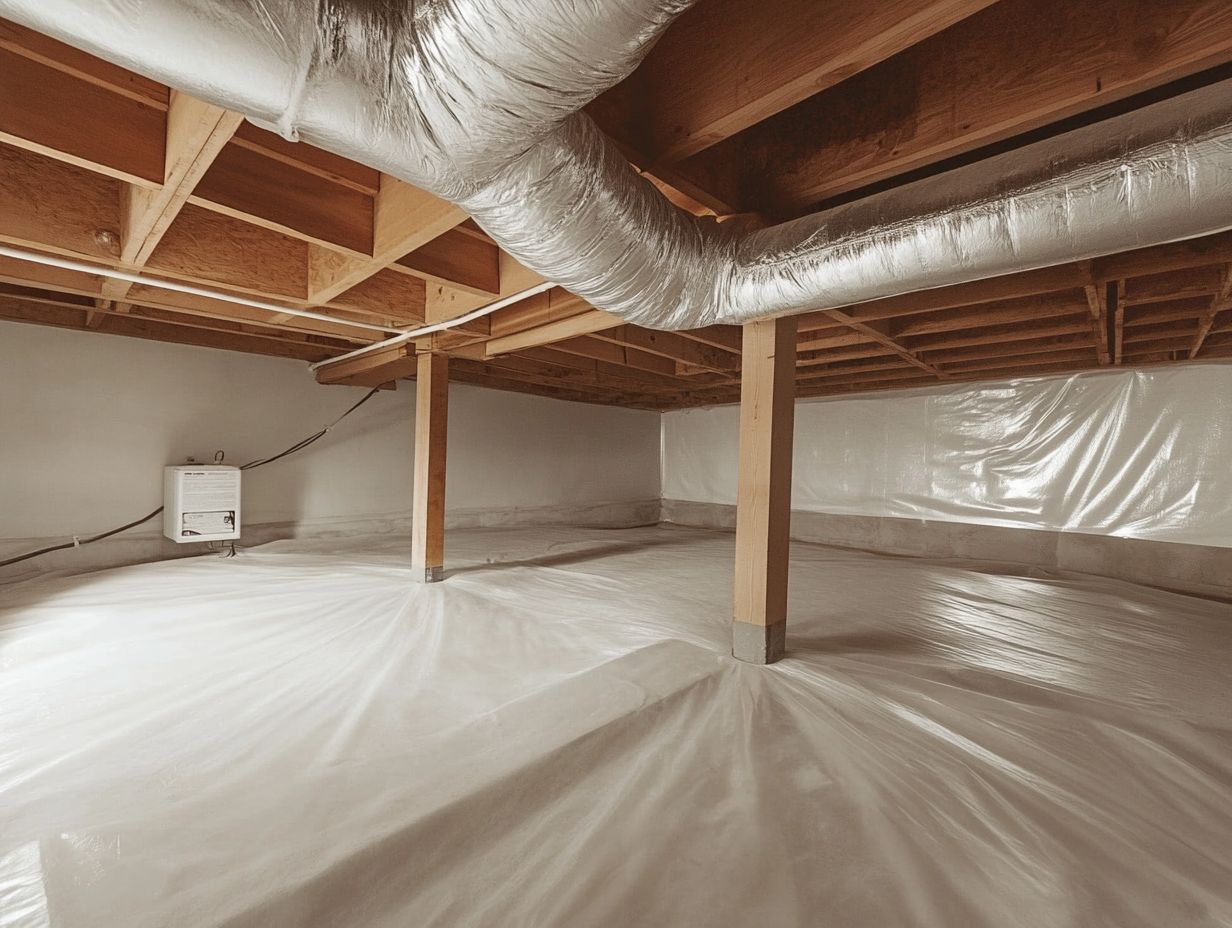
When evaluating the necessity of a dehumidifier in an encapsulated crawl space, it is essential to assess several factors, including the efficiency of HVAC equipment, the quality of insulation, and the underlying issues contributing to elevated humidity levels. Adopting a comprehensive approach to humidity management not only addresses immediate concerns but also prevents future moisture-related complications.
The interaction between insulation and the HVAC system is particularly significant in regulating temperature and moisture levels. Properly installed insulation can substantially reduce unwanted humidity, especially in Climate Zone 5, such as Illinois and Tennessee, while an efficient HVAC system, like those serviced by South Central Services, facilitates optimal air circulation. Conversely, poorly insulated spaces typically lead to increased moisture, potentially exacerbating pre-existing issues.
By identifying and addressing these root causes, moisture can be managed more effectively, thereby facilitating a more informed decision regarding the installation of a dehumidifier, avoiding potential mold allergens. This proactive strategy ultimately fosters a healthier living environment, protecting against the detrimental effects of excessive humidity.
Frequently Asked Questions
Does an Encapsulated Crawl Space Need a Dehumidifier?
Yes, an encapsulated crawl space, such as those in San Diego, California, may still need a dehumidifier depending on the specific conditions of the space.
What are the benefits of using a dehumidifier in an encapsulated crawl space?
Using a dehumidifier in an encapsulated crawl space can help control moisture levels, reduce the risk of mold growth, prevent musty odors, and improve air quality.
How do I know if my encapsulated crawl space needs a dehumidifier? A Guide for Homeowners in Easter Regions
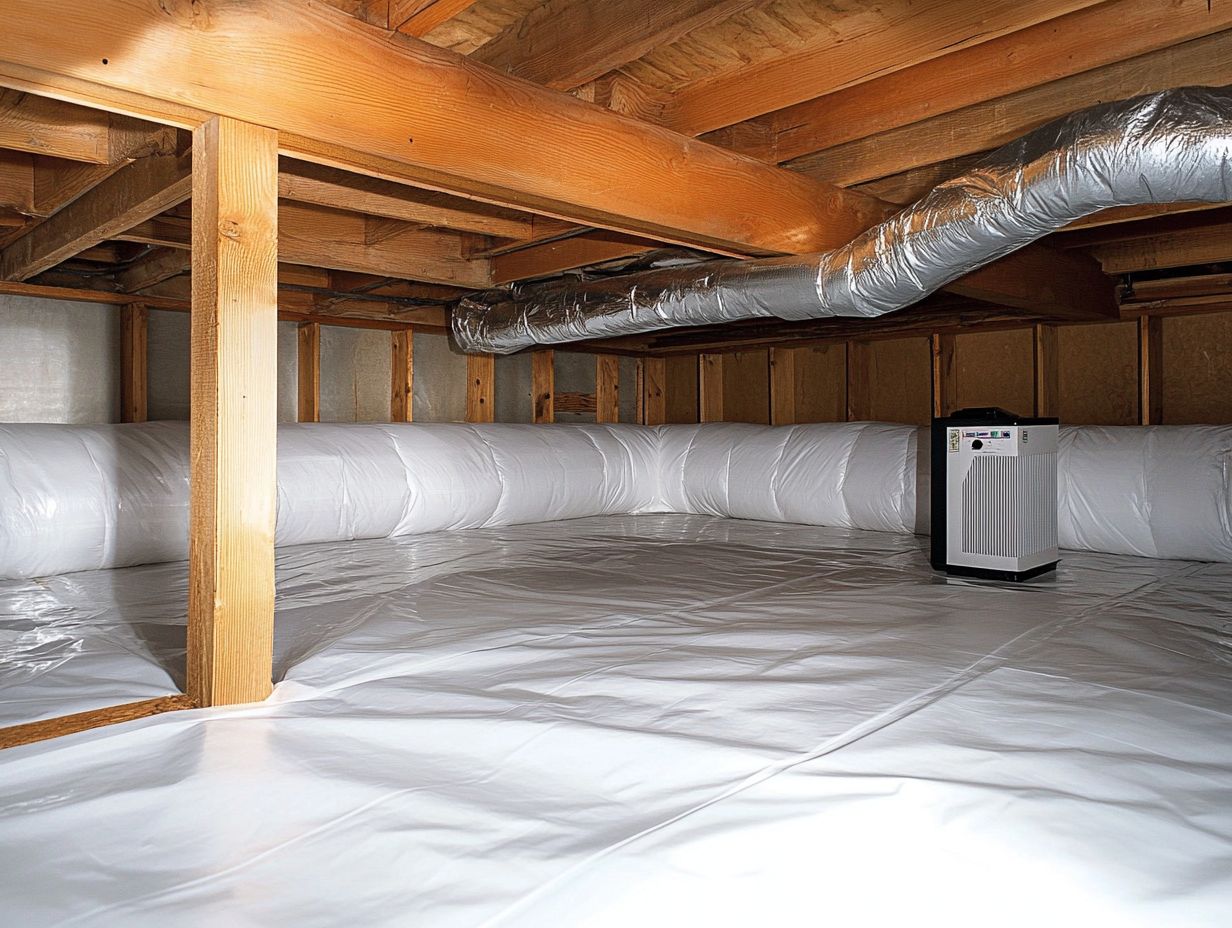
If you notice high humidity levels, condensation on walls or floors, musty odors, or signs of mold growth in your encapsulated crawl space, it may be time to invest in a dehumidifier.
Can I use a regular dehumidifier in an encapsulated crawl space?
Yes, a regular dehumidifier can be used in an encapsulated crawl space, but it is recommended to use a dehumidifier specifically designed for crawl spaces for optimal performance.
Will a dehumidifier help with insulation in an encapsulated crawl space?
A dehumidifier can indirectly help with insulation in an encapsulated crawl space by reducing moisture levels that can affect the effectiveness of insulation.
How often should I run the dehumidifier in my encapsulated crawl space?
The frequency of running a dehumidifier in an encapsulated crawl space will depend on the specific conditions of the space, but it is typically recommended to run it continuously or on a timer to maintain optimal moisture levels.
Fix It for Good — Related Services
Reading about the problem is step one. These pages cover what we actually do about it, what it costs, and how the 100% free inspection works:


