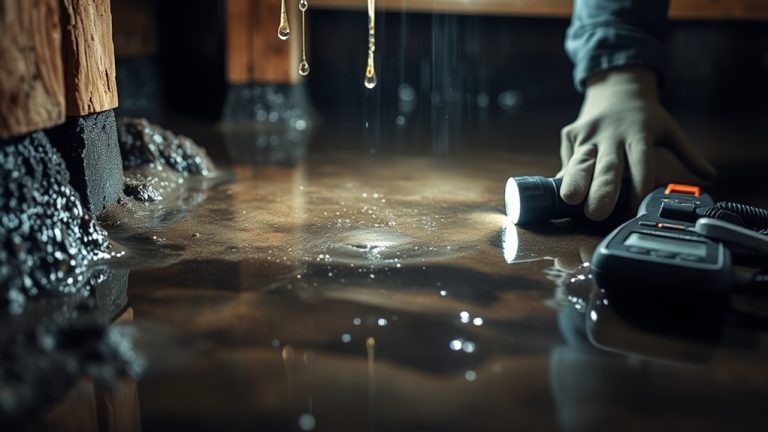
Home Energy Audit: Is Your Crawl Space Wasting Money?
Your crawl space likely wastes hundreds of dollars annually through moisture infiltration, energy loss, and inadequate insulation that forces your HVAC system to work overtime. Professional home energy audits reveal that unsealed crawl spaces allow ground moisture to penetrate your home’s structure, creating mold risks while compromising indoor air quality. Without proper vapor barriers and encapsulation, you’re paying for heated and cooled air that escapes through gaps and drafts beneath your floors, discovering these hidden inefficiencies reveals significant savings.
Key Takeaways
- Professional home energy audits use thermal cameras and blower door tests to identify crawl space inefficiencies costing homeowners money.
- Unsealed crawl spaces allow significant energy loss through floors, forcing HVAC systems to work harder and increasing utility bills.
- Ground moisture and humidity from crawl spaces create uncomfortable conditions and strain cooling systems, raising energy costs substantially.
- Crawl space encapsulation with vapor barriers and proper insulation can dramatically reduce energy waste and lower monthly utility expenses.
- Energy audits reveal crawl spaces as one of the most common areas where thousands of homeowners unknowingly waste energy.
Attic and Crawl Space Solutions specializes in
When you’re ready to tackle your home’s energy inefficiencies, Attic and Crawl Space Solutions offers specialized services that address your most problematic areas. You’ll find they focus on crawl space encapsulations, vapor barrier installation, attic insulation, thorough home energy audits, and attic dehumidifiers. These targeted solutions work together to create a more comfortable, energy-efficient home while reducing your monthly utility bills. Additionally, their services ensure effective moisture intrusion protection to safeguard your property from damage.
Crawl Space Encapsulations
Most homeowners discover that their crawl spaces harbor hidden problems that drain energy and compromise indoor air quality. You’re not alone if you’ve noticed musty odors, cold floors, or surprisingly high utility bills. Crawl space encapsulation transforms your home’s foundation into a clean, controlled environment that works with you, not against you.
Professional encapsulation creates a thorough barrier system that addresses multiple issues simultaneously:
- Vapor barriers seal out ground moisture and humidity
- Crawl space insulation prevents energy loss through floors
- Moisture control systems eliminate mold and mildew risks
- Air sealing stops drafts and improves overall comfort
This extensive approach turns your crawl space from an energy liability into a valuable asset that protects your investment.
Vapor Barrier Installation
Moisture penetration represents one of the most destructive forces threatening your home’s structural integrity and energy efficiency. You’ll want to install proper vapor barrier materials to create an effective shield against ground moisture that seeps through crawl space floors and walls. These specialized barriers, typically made from heavy-duty polyethylene or reinforced plastic sheeting, work by preventing water vapor from entering your living space where it can cause mold, rot, and uncomfortable humidity levels.
Effective moisture control starts with selecting the right thickness and material for your specific conditions. You should overlap seams by at least six inches and seal them with appropriate tape. When properly installed, vapor barriers markedly reduce energy costs by preventing conditioned air loss and maintaining consistent indoor temperatures throughout your home.
Attic Insulation
Up to 40% of your home’s energy loss escapes through an inadequately insulated attic, making this space the single most important area to address during your energy audit. You’re not alone if you’ve noticed skyrocketing utility bills or uncomfortable temperature fluctuations throughout your house.
Proper attic insulation dramatically improves your home’s energy efficiency and thermal performance. Here’s what you should evaluate:
- Insulation depth – Measure existing insulation; most homes need 10-14 inches for peak performance
- Material condition – Look for compressed, wet, or damaged insulation that’s lost its effectiveness
- Coverage gaps – Check for bare spots around fixtures, pipes, and structural elements
- Air sealing – Identify cracks where conditioned air escapes before adding new insulation
Home Energy Audits
While DIY energy assessments help identify obvious problems, professional home energy audits reveal hidden inefficiencies that cost you hundreds of dollars annually. You’re not alone in wondering where your money disappears each month. Professional auditors use specialized equipment like thermal cameras and blower door tests to uncover air leaks, insulation gaps, and ductwork problems you’d never spot yourself. They’ll measure your home’s energy efficiency with precise calculations, showing exactly where improvements deliver the best cost savings. These thorough evaluations create a roadmap for maximizing your comfort while minimizing utility bills. When you invest in a professional audit, you’re joining thousands of homeowners who’ve discovered their crawl spaces and attics were secretly draining their wallets.
Attic Dehumidifiers
Excessive humidity in your attic creates a breeding ground for mold, mildew, and structural damage that can cost thousands in repairs. Installing an attic dehumidifier protects your investment while boosting energy efficiency throughout your home.
When you’re dealing with attic humidity, you’ll want to take into account these key benefits:
- Prevents mold growth that threatens your family’s health and your home’s structure
- Reduces cooling costs by eliminating moisture that makes your HVAC system work harder
- Protects insulation from becoming waterlogged and losing its effectiveness
- Extends roof lifespan by preventing moisture-related deterioration of wooden components
Smart homeowners recognize that controlling attic humidity isn’t just about comfort—it’s about protecting their biggest investment while cutting energy bills.
Whole Home Weatherization
Moisture problems rarely limit themselves to just one area of your home, which is why detailed whole home weatherization offers the most effective long-term solution. When you address your crawl space alongside other vulnerable areas like your attic, basement, and windows, you’re creating a thorough barrier against energy loss and moisture infiltration.
Smart homeowners understand that piecemeal fixes often lead to recurring problems and wasted money. By upgrading insulation materials throughout your home and sealing air leaks systematically, you’ll achieve superior energy efficiency while preventing moisture from migrating between spaces. This integrated approach guarantees that improvements in one area don’t create pressure imbalances elsewhere, giving you lasting comfort and consistent savings on your utility bills year-round.
Frequently Asked Questions
How Much Does a Professional Crawl Space Energy Audit Typically Cost?
Professional audits for your crawl space typically cost between $300-$600, depending on your home’s size and complexity. You’ll find that crawl space costs vary by region, with some energy companies offering discounted assessments. Many homeowners discover these professional audits pay for themselves quickly through identified savings opportunities. The thorough evaluation includes moisture analysis, insulation inspection, and air leakage detection that you can’t easily assess yourself.
Can I Perform a Basic Crawl Space Energy Audit Myself?
You can absolutely perform a basic DIY audit of your crawl space inspection, and you’ll join countless homeowners who’ve discovered energy-wasting issues themselves. Check for air leaks around rim joists, examine insulation condition, look for moisture problems, and assess ductwork connections. While you won’t catch everything a professional would, your crawl space inspection will identify major problems and help prioritize improvements.
How Often Should Crawl Space Energy Audits Be Conducted?
You should conduct crawl space energy audits annually, ideally before winter when heating costs spike. However, don’t stop there—seasonal inspections every three months help catch problems early. This proactive crawl space maintenance approach saves you money and prevents costly surprises. Check after storms, temperature extremes, or if you notice drafts upstairs. Regular monitoring keeps your home efficient and your energy bills manageable.
What Tools Do Energy Auditors Use to Inspect Crawl Spaces?
Energy auditors rely on infrared cameras to detect temperature variations and air leaks in your crawl space that you can’t see with the naked eye. They’ll also use moisture meters to measure humidity levels and identify potential mold problems. These specialized tools help auditors pinpoint exactly where your home’s losing energy, so you’ll get targeted recommendations that’ll actually save you money on utility bills.
Will My Homeowner’s Insurance Cover Crawl Space Energy Efficiency Improvements?
Most homeowner’s insurance policies won’t cover crawl space energy efficiency improvements since they’re considered maintenance upgrades, not damage repairs. However, you might find coverage if moisture issues or structural problems require fixes that also boost energy efficiency. Check with your agent about specific situations, and consider that improved insulation and vapor barriers could prevent future claims by reducing moisture damage risks.
Conclusion
Don’t let your crawl space drain your wallet through hidden energy losses. You’ve learned how proper insulation, vapor barriers, and moisture control can dramatically reduce heating and cooling costs. A professional energy audit reveals exactly where you’re losing money, while encapsulation creates a healthier, more efficient home. Take action now—your monthly utility bills and indoor air quality will thank you for addressing this often-overlooked area.
Fix It for Good — Related Services
Reading about the problem is step one. These pages cover what we actually do about it, what it costs, and how the 100% free inspection works: