
Is a Dehumidifier Necessary for an Encapsulated Crawl Space?
A well-maintained crawl space is essential to the overall health of a home, ensuring effective environment control and preventing common crawl space issues.
Understanding aspects such as crawl space encapsulation, professional-grade dehumidifiers, and effective waterproofing solutions can significantly enhance living conditions.
This guide provides a comprehensive overview of encapsulated crawl spaces, the importance of moisture control, and the advantages of utilizing dehumidifiers, including crawl space dehumidifiers. It aims to clarify common misconceptions and offer insights into maintaining a healthy environment, preventing musty smells and mold growth.
Engage with this resource for an in-depth examination of these critical factors, including radon testing and air quality improvement.
Key Takeaways:
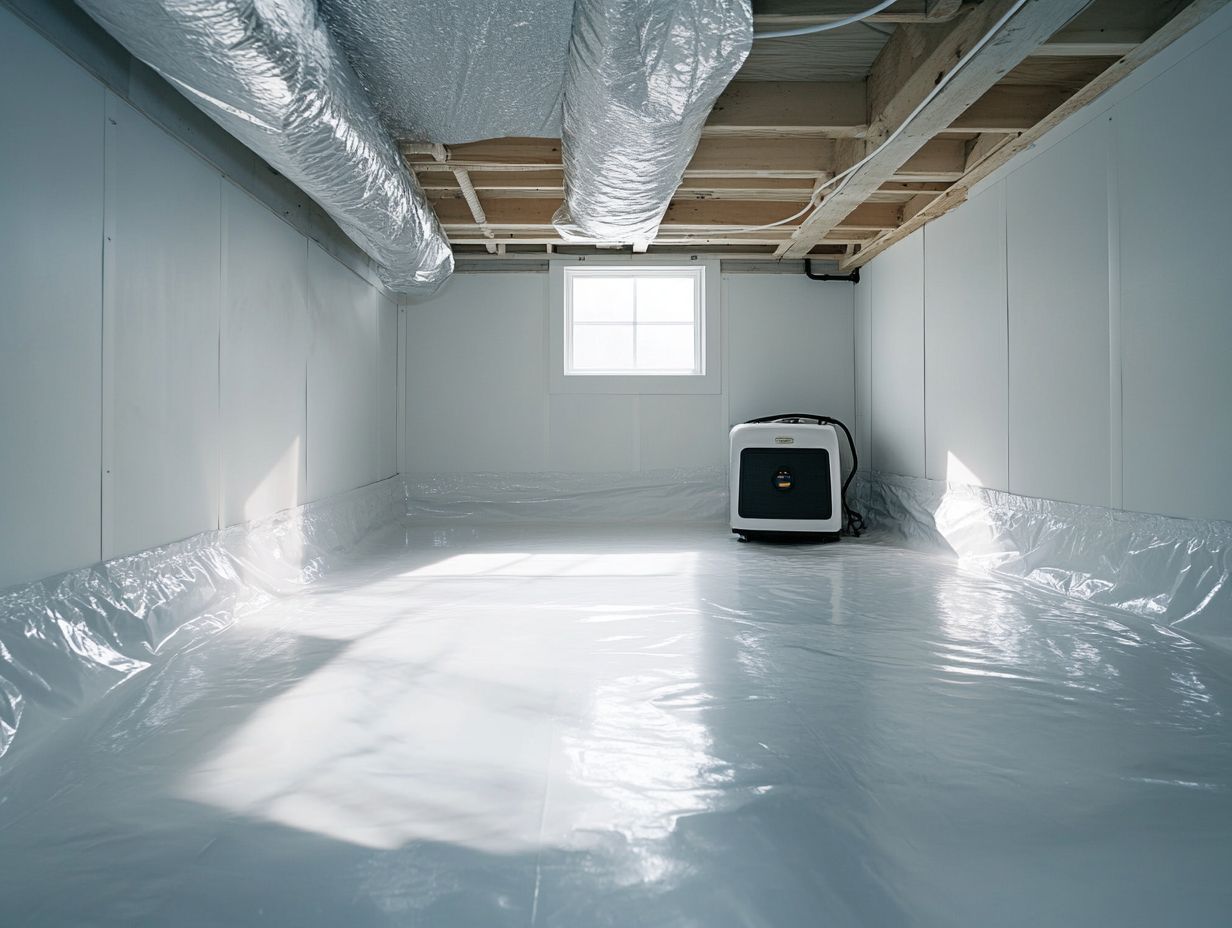
- A dehumidifier is essential for maintaining proper moisture levels in an encapsulated crawl space, preventing humidity buildup and cold air issues.
- Neglecting moisture control in crawl spaces, such as vented crawl spaces, can lead to long-term damage and health hazards, including respiratory problems and allergies.
- Hiring a professional encapsulation service can ensure proper installation and maintenance of a dehumidifier in your crawl space, enhancing energy efficiency and reducing energy bills.
1. Atlanta Crawl Space Encapsulation
In Atlanta, crawl space encapsulation is essential for preserving a healthy home environment, particularly in areas vulnerable to high humidity. Excess moisture in these regions can lead to mold growth and unpleasant odors, negatively impacting both indoor air quality and energy efficiency.
Effective encapsulation not only prevents mold formation but also significantly reduces excess humidity levels, resulting in a drier and more comfortable space. Homeowners frequently observe improved air quality throughout their living areas, as encapsulation effectively minimizes allergens and pollutants.
This process entails sealing the crawl space with durable materials and incorporating a dehumidifier, a service proficiently provided by South Central Services. With Kilian Agha’s extensive experience in the field, homeowners can confidently rely on his recommendations regarding best practices for insulation and moisture control, ensuring their homes remain safe havens against environmental factors.
2. Waterproofing Solutions for Crawl Spaces
Effective waterproofing solutions for crawl spaces are crucial in preventing humidity infiltration and maintaining a dry, healthy home environment, particularly in humid regions such as Atlanta, North Carolina, and South Carolina.
Implementing a variety of methods, including vapor barriers, sump pumps, and efficient drainage systems, can significantly reduce moisture levels. Vapor barriers, for example, serve to block moisture from the ground, functioning as a protective shield to maintain a dry environment. Sump pumps efficiently remove any water that might enter the space, thereby preventing standing water from becoming a breeding ground for mold. Additionally, well-designed drainage systems ensure that water is directed away from the foundation, which enhances overall moisture control.
By prioritizing these waterproofing techniques, homeowners can effectively mitigate the risks associated with mold growth while simultaneously improving indoor air quality.
3. Insulation Benefits for Encapsulated Crawl Spaces
Proper insulation in encapsulated crawl spaces significantly enhances energy efficiency and addresses common comfort issues by regulating temperature extremes and preventing humidity buildup.
Various insulation materials, including spray foam, fiberglass batts, and rigid foam boards, are essential in achieving these advantages. For instance, spray foam offers superior air sealing and thermal resistance, contributing effectively to a stable indoor climate. Fiberglass batts present a cost-effective solution, while rigid foam boards establish a robust barrier against moisture intrusion, thereby preventing mold growth.
These insulation types not only reduce energy costs by minimizing heat loss and gain but also ensure that homes remain comfortable throughout the year. By implementing suitable insulation, homeowners can create a more pleasant living environment while simultaneously investing in long-term energy savings.
4. What Is an Encapsulated Crawl Space?
An encapsulated crawl space is a moisture-controlled environment designed to enhance air quality and protect the home from humidity-related issues, such as mold growth. This method involves the comprehensive sealing of all vents and the installation of a durable, thick vapor barrier on both the floor and walls, effectively preventing water vapor from entering the space.
The installation process also includes insulating the walls to improve temperature regulation, thereby discouraging condensation. By maintaining lower humidity levels, homeowners can achieve a significant reduction in allergens and harmful pollutants that often circulate within the home, ultimately fostering a healthier living environment.
Encapsulation not only protects the structural integrity of the home but also enhances overall energy efficiency, making it a prudent investment for long-term health and stability of the residence.
5. The Importance of Moisture Control in Crawl Spaces
Moisture control in crawl spaces is essential for preventing mold growth, reducing humidity levels, and ensuring improved air quality throughout the home.
Several factors contribute to moisture accumulation in these areas, including seasonal humidity variations and insufficient ventilation. During warmer months, elevated humidity can infiltrate crawl spaces through foundation walls, while inadequate airflow exacerbates condensation issues. This trapped moisture not only promotes the growth of mold and mildew but also poses significant health risks, including respiratory problems and allergies.
If left unchecked, excess moisture can lead to structural damage over time, compromising the integrity of building materials. Consequently, implementing effective moisture control strategies, such as proper insulation and ventilation systems, is crucial for maintaining a safe and healthy living environment.
6. Signs That Your Encapsulated Crawl Space Needs a Dehumidifier
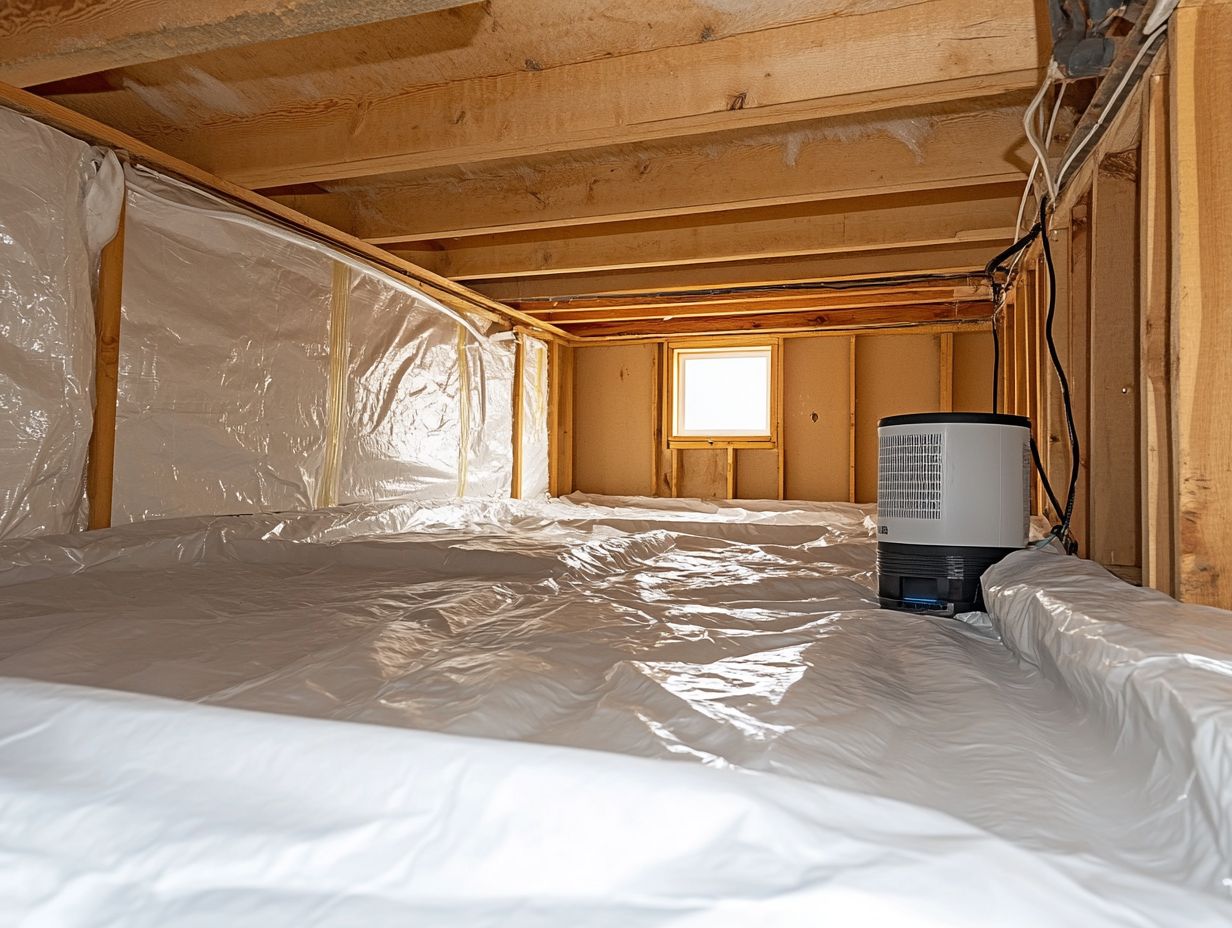
Identifying signs that an encapsulated crawl space requires a dehumidifier is essential for maintaining optimal humidity levels and preventing musty odors that may indicate potential mold growth.
Common indicators include elevated humidity levels, which can result in condensation on surfaces such as walls and floors. This moisture accumulation can create an environment conducive to unpleasant odors, negatively impacting air quality and potentially compromising the overall health of the home.
These signs may lead to discomfort, as the air can feel damp and oppressive. If left unaddressed, they can also result in structural damage over time. Thus, ensuring that the living environment remains dry and fresh is crucial for both comfort and the preservation of the home’s foundation integrity.
7. Benefits of Using a Dehumidifier in an Encapsulated Crawl Space
Utilizing a dehumidifier in an encapsulated crawl space provides numerous advantages, including improved humidity control, enhanced air quality, and the prevention of mold growth, thereby contributing to a healthier and more comfortable home environment.
Moreover, the implementation of a dehumidifier can lead to a significant reduction in energy costs. By maintaining optimal humidity levels, the appliance allows heating and cooling systems to function more efficiently. This not only minimizes wear and tear on HVAC equipment but also results in lower utility expenses over time. Controlling moisture levels is crucial in preventing structural damage, as excess humidity can compromise building materials and encourage decay.
Incorporating a dehumidifier is an essential component of comprehensive home improvement initiatives, fostering a healthier living environment while extending the longevity of the home’s structure.
8. How to Choose the Right Dehumidifier for Your Encapsulated Crawl Space
Selecting the appropriate dehumidifier for an encapsulated crawl space is crucial for effective moisture control and energy efficiency. This process necessitates careful consideration of factors such as size, capacity, and features, including humidity monitors.
To address dampness efficiently, it is imperative to assess the specific conditions of the space, including its square footage and overall humidity levels. A dehumidifier that is insufficiently sized may struggle to maintain dry air, while an excessively large unit may result in unnecessary energy consumption and frequent cycling.
Features such as automatic settings, filtration systems, and energy efficiency ratings are essential, as they not only help maintain optimal moisture levels but also ensure that energy costs remain manageable. A thorough evaluation of these elements will guarantee that the selected dehumidifier meets the requirements of the crawl space while contributing to a more energy-efficient home environment.
9. The Role of a Dehumidifier in Maintaining a Healthy Home
A dehumidifier plays a crucial role in maintaining a healthy home environment by regulating moisture levels, thereby improving air quality, providing clean air, and preventing issues such as mold growth and unpleasant odors.
This essential appliance not only promotes respiratory health by reducing allergens like dust mites and fungal spores but also enhances energy efficiency within the household. By alleviating excess humidity, it enables HVAC equipment to function more effectively, thereby decreasing energy consumption and extending the lifespan of heating and cooling equipment.
Utilizing a dehumidifier in conjunction with air conditioning systems ensures that indoor spaces remain comfortably cool and inviting, positively impacting overall home comfort while also preserving the structural integrity of the property.
10. Is a Dehumidifier Necessary for Every Encapsulated Crawl Space in Climate Zone 5?
While a dehumidifier is highly advantageous for most encapsulated crawl spaces, especially in areas like Georgia, Alabama, North Carolina, Tennessee, Kentucky, South Carolina, Delaware, and Chicago, its necessity is contingent upon specific humidity levels, environmental factors, and comprehensive moisture control strategies.
Factors such as the local climate can significantly impact the accumulation of humidity in a crawl space. Regions with elevated rainfall or high humidity levels typically require more stringent moisture control measures.
Additionally, existing moisture management methods—such as effective drainage systems, adequate ventilation, and proper insulation—are pivotal in determining whether a dehumidifier is necessary.
It is imperative to evaluate characteristics unique to the crawl space, including its size, the materials utilized in construction, and potential points of water intrusion. These elements can profoundly influence humidity levels and, consequently, the requirement for a dehumidification system.
Why Should You Hire a Professional for Encapsulated Crawl Space Services?
Hiring a professional for encapsulated crawl space services guarantees proper installation and maintenance, utilizing expert knowledge and advanced tools to effectively address issues such as humidity control and moisture infiltration.
By engaging experienced specialists, homeowners can leverage their extensive training and insights, which enable them to identify potential problems that may not be immediately apparent to those without specialized expertise. These professionals employ high-quality equipment specifically designed for crawl space inspections, ensuring that every corner and crevice is meticulously examined.
This thorough attention to detail not only prevents costly repairs in the future but also contributes to the overall health of the home.
In the long term, this approach serves to protect against mold, pests, and structural damage, thereby fostering a safe and comfortable living environment.
What Are the Alternatives to Using a Dehumidifier, Like the Supply Air Method, in an Encapsulated Crawl Space?
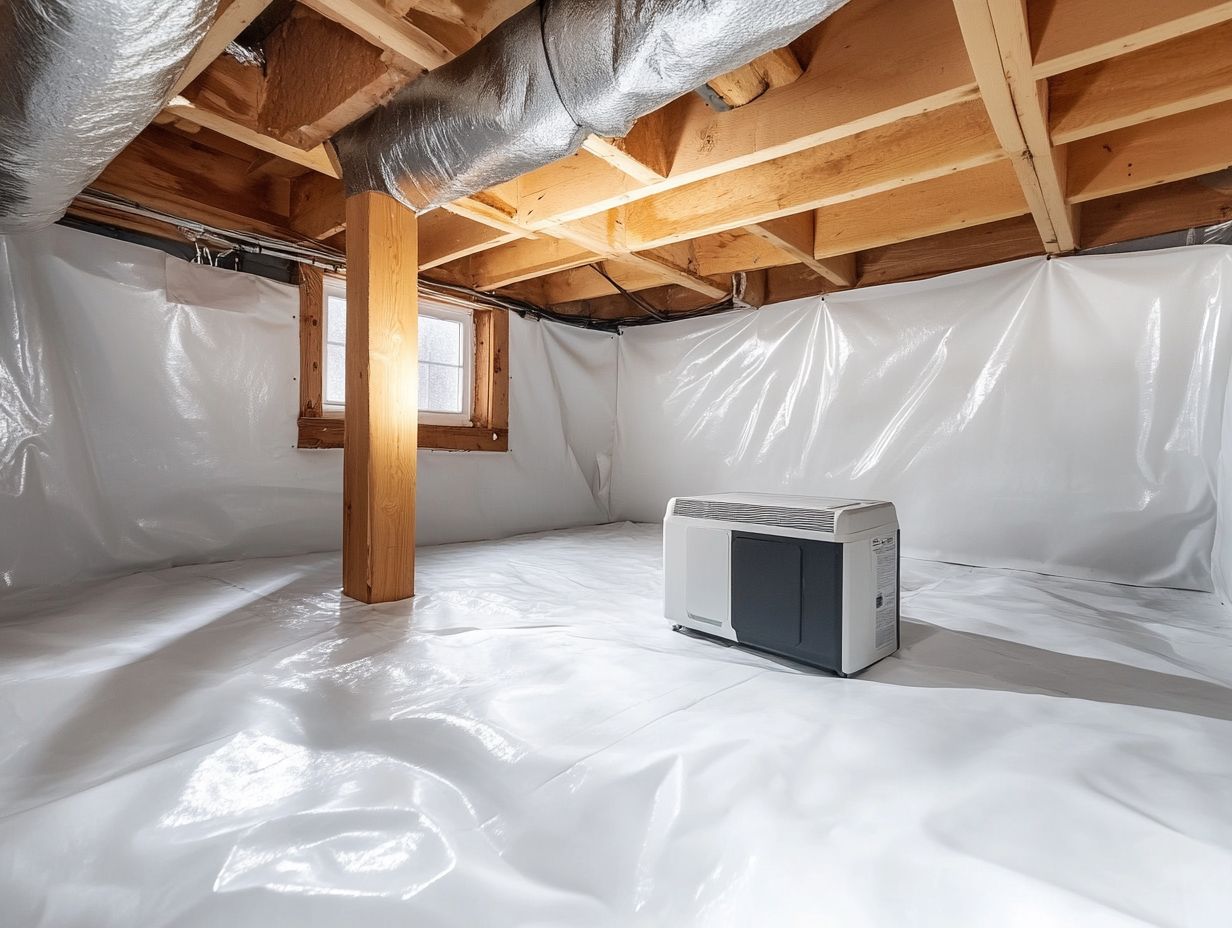
While dehumidifiers like those from AprilAire are a widely recognized solution for moisture control in encapsulated crawl spaces, several alternatives can also effectively maintain optimal humidity levels and enhance air quality.
Proper ventilation is essential; allowing fresh air to circulate can significantly reduce moisture accumulation. Additionally, utilizing humidity monitors provides real-time data, enabling homeowners to implement proactive measures when humidity levels rise. Employing crawl space tape to seal potential leaks can be highly effective in preventing moisture intrusion from external sources.
In comparison to dehumidifiers, these methods not only present a more sustainable approach but may also be more cost-effective over time, addressing moisture issues without the associated energy consumption of continuous dehumidifier operation, which is a concern in home appraisal.
How Can You Tell If Your Crawl Space Needs Encapsulation?
Identifying the necessity for crawl space encapsulation requires recognizing specific indicators, such as elevated humidity levels, moisture infiltration, and musty odors, all of which can adversely affect the overall health of a home. Consulting DIY resources may also be beneficial.
Homeowners should be vigilant for visible mold growth on wooden beams or crawl space insulation, as this may signify prolonged moisture exposure. Additionally, air quality concerns, including heightened allergy symptoms or respiratory issues among family members, can also indicate problems within the crawl space. Structural damage, such as sagging floors or wood rot, represents serious warning signs that require immediate attention.
To assess the condition of a crawl space, one may begin by:
- Inspecting for standing water
- Checking the condition of vapor barriers
- Ensuring proper ventilation
Conducting regular inspections will facilitate early detection of issues, thereby preventing the need for more extensive repairs in the future.
What Are the Long-Term Effects of Neglecting Moisture Control in Crawl Spaces?
Neglecting moisture control in crawl spaces can result in significant long-term consequences, including mold growth, structural damage, and increased energy expenditures due to compromised insulation and air quality.
Inadequate moisture management creates conditions conducive to the proliferation of microorganisms, which may pose serious health risks to residents. Over time, persistent dampness can weaken floor joists and walls, leading to potential hazards that could necessitate extensive repairs.
Furthermore, rising humidity levels can diminish the efficiency of heating and cooling systems, resulting in substantially higher energy costs for homeowners. Addressing these issues promptly not only contributes to a safer living environment but also enhances energy efficiency, ultimately leading to cost savings over time.
Therefore, regular inspections and timely interventions are essential in preventing these avoidable complications.
How Can You Maintain Proper Moisture Levels in an Encapsulated Crawl Space?
Maintaining appropriate moisture levels in an encapsulated crawl space is essential for preventing mold growth and ensuring a healthy home environment. This can be effectively achieved through the utilization of humidity monitors and dehumidifiers.
Regular inspections are critical to this process, as they allow homeowners to identify potential issues early, thereby ensuring that the space remains dry and well-managed. It is also important to recognize that ventilation plays a significant role in moisture control; proper air circulation aids in the removal of excess humidity.
The use of technology, such as humidity monitors, facilitates real-time tracking of moisture levels and provides alerts when intervention is necessary. By proactively managing these elements, homeowners can cultivate a safer and more comfortable living environment, thereby protecting their investment and promoting overall well-being.
What Are the Common Misconceptions About Encapsulated Crawl Spaces?
Common misconceptions regarding encapsulated crawl spaces frequently lead to misunderstandings about their purpose, effectiveness in humidity control, and benefits related to energy efficiency.
Many homeowners perceive the encapsulation of a crawl space as an unnecessary expense, failing to recognize that this investment can result in long-term savings by enhancing insulation and lowering energy bills. There is a prevalent myth that these systems necessitate constant and complex maintenance; however, they typically require minimal attention to remain effective.
The contribution of encapsulated crawl spaces to overall home comfort is often underestimated, as they play a significant role in stabilizing indoor temperatures and preventing air quality issues by reducing dampness and musty odors. A thorough understanding of these factors can help clarify the practice and promote well-considered choices.
Frequently Asked Questions on Crawl Space Solutions by Kilian Agha
1. Is a Dehumidifier Necessary for an Encapsulated Crawl Space?

Yes, a dehumidifier is necessary for an encapsulated crawl space. This is because encapsulation alone does not completely eliminate moisture, and a dehumidifier can help maintain proper humidity levels.
2. What is the purpose of encapsulating a crawl space?
The main purpose of encapsulating a crawl space is to prevent moisture and humidity from entering and causing damage to the space and the rest of the home. It also helps improve indoor air quality and can lead to energy savings.
3. How does a dehumidifier work in an encapsulated crawl space?
A dehumidifier works by drawing in air from the crawl space, removing excess moisture from it, and then circulating the drier air back into the space. This helps reduce humidity levels and prevent mold and mildew growth.
4. Can I skip encapsulation and just use a dehumidifier in my crawl space?
It is not recommended to skip encapsulation and rely solely on a dehumidifier. Encapsulation helps seal off the space and prevent moisture from entering, while a dehumidifier only helps control existing moisture levels.
5. What are the benefits of using a dehumidifier, like those available at Lowes or Home Depot, in an encapsulated crawl space?
Using a dehumidifier in an encapsulated crawl space can help prevent mold and mildew growth, improve indoor air quality, and create a more comfortable living environment. It can also help protect your home from moisture-related damage.
6. Who should I contact for professional installation, encapsulation, and crawl space repair services in Greencastle, Pennsylvania?
You can contact Atlanta Crawl Space Encapsulation, Waterproofing, Insulation for professional encapsulation and crawl space repair services, addressing common comfort problems and moisture evaporation issues in your crawl space environment. You can reach them at (678) 322-7910 or visit their website for more information. They serve areas across Georgia, Alabama, North Carolina, Tennessee, Kentucky, and South Carolina.
Fix It for Good — Related Services
Reading about the problem is step one. These pages cover what we actually do about it, what it costs, and how the 100% free inspection works:


