
Unveiling The Truth Is Mold In Your Home Alive And How To Combat It
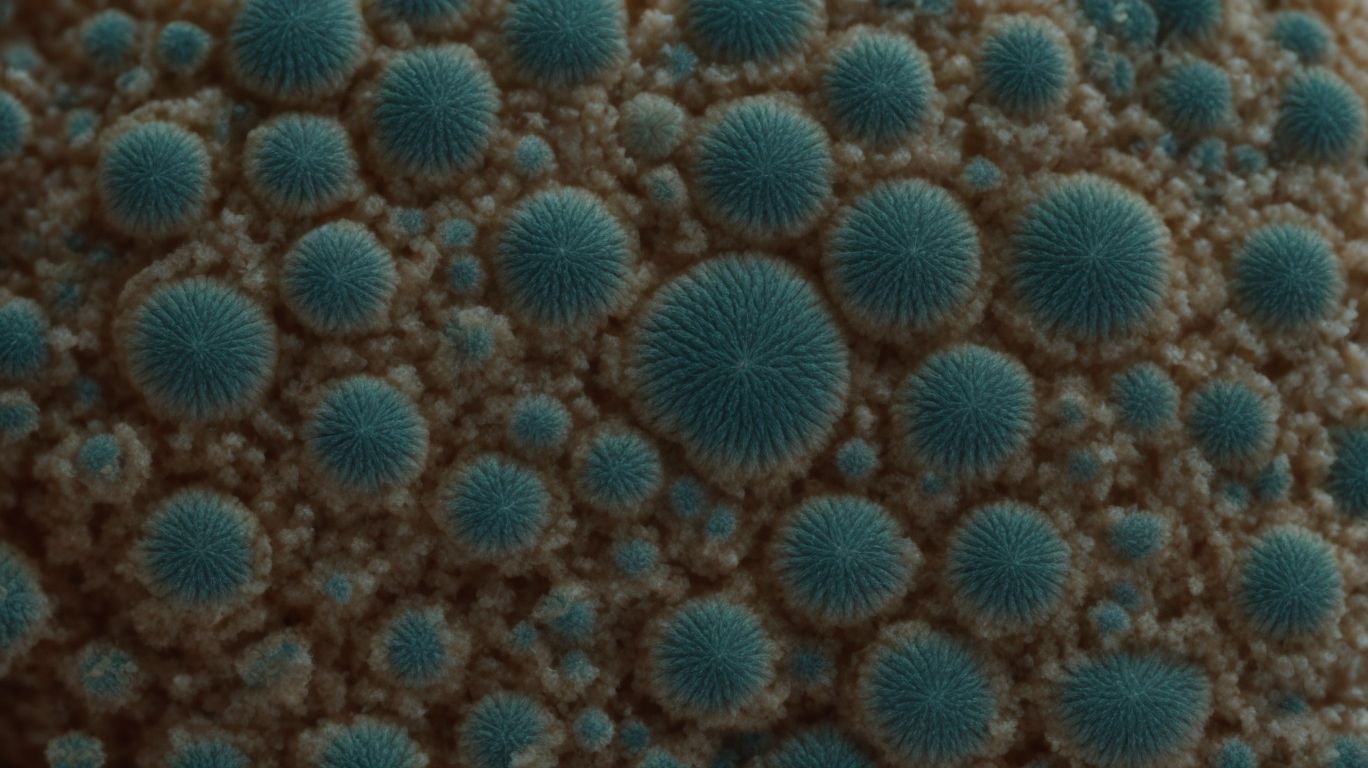
Mold – a silent intruder that can wreak havoc on our health and homes without us even realizing it. In this comprehensive article, we will dive into the world of mold, exploring its growth, types, and characteristics.
We will also shed light on the health risks associated with mold exposure, including respiratory impacts and immune system reactions. We will discuss how to identify, prevent, and control mold infestations in your home.
Join us as we debunk common misconceptions about mold, provide legal responsibilities regarding mold infestation, and offer recommendations on how to combat this sneaky foe. Let’s embark on this journey to uncover the truth about mold and learn how to protect our health and homes.
Key Takeaways:
- Mold can grow in any home and can cause serious health risks, including respiratory and neurological issues.
- Identifying and preventing mold growth is crucial for maintaining a healthy home environment.
- Proper cleaning and removal of mold is important, and it is essential to take safety measures during the process.
Introduction to Mold
Mold is a common household issue that can have detrimental effects on both health and property. Understanding the impact of mold exposure is crucial for homeowners and professionals alike.
Early detection and addressing of mold problems are essential to prevent further damage. Mold exposure can lead to a variety of health issues, including respiratory problems, allergic reactions, and skin irritation. Mold growth can weaken structures, damage surfaces, and decrease property value.
Ensuring indoor air quality is maintained at a high level is key in preventing mold growth. Proper ventilation, controlling humidity levels, and prompt repairs of leaks are effective measures to minimize the risk of mold development.
Professionals play a crucial role in detecting and remediating mold. Mold inspection specialists use advanced techniques to identify hidden mold, while mold remediation experts employ specialized equipment and techniques to safely remove mold and prevent regrowth.
Understanding Mold Growth
Understanding the conditions that promote mold growth, including the presence of moisture, leaks, and poor ventilation, is essential in preventing issues like black mold infestation.
Moisture acts as the primary catalyst for mold proliferation, providing a conducive environment for spores to germinate and spread. Leaks in roofs, walls, or pipes create hidden damp areas where mold can thrive unnoticed, exacerbating the problem. Poor ventilation traps moisture indoors, creating stagnant air that fosters mold growth.
Early detection through regular inspections allows for prompt remediation, preventing extensive damage and health risks. Neglecting mold issues can substantially diminish property value, deterring potential buyers due to health concerns and structural damage.
Proper ventilation is a crucial aspect of mold prevention, as it facilitates airflow and regulates humidity levels, inhibiting mold development.
Types and Characteristics of Mold
Black mold, also known as toxic mold, is a common type of fungi that poses significant household hazards due to its release of mycotoxins and spores.
Black mold, scientifically referred to as Stachybotrys chartarum, is notorious for its dark, slimy appearance and its preference for damp environments such as bathrooms, kitchens, and basements. This type of mold thrives on cellulose-rich materials like wood, drywall, and fabric, making it a common sight in areas affected by water damage or high humidity levels.
The mycotoxins produced by black mold can lead to various health issues when inhaled or touched, ranging from respiratory problems, allergy-like symptoms, skin rashes, headaches, and even more severe reactions in individuals with compromised immune systems.
It’s crucial to address black mold promptly to prevent its spores from spreading throughout the living spaces and causing long-term health hazards.
Conditions for Mold Growth
Mold thrives in environments with excess moisture, inadequate ventilation, and hidden threats that allow the organism to infiltrate indoor spaces.
Excess moisture creates a perfect breeding ground for mold, as it only needs a small amount of water to grow and spread rapidly. Poor ventilation exacerbates the issue by trapping humid air indoors, providing the ideal conditions for mold spores to settle and flourish.
Water issues, such as leaks or flooding, can lead to sudden mold infestations if not addressed promptly. Even minor drips or condensation can escalate into a major problem if left untreated, inviting mold growth and posing health risks to occupants.
The presence of hidden threats, such as damp walls, ceilings, or basements, can unknowingly promote mold growth by creating environments conducive to its development. Even unnoticeable water damage behind walls or under flooring can provide the moisture mold needs to thrive.
Mold’s ability to infiltrate indoor spaces is remarkable, as its spores are tiny and lightweight, easily traveling through the air to colonize new areas. Once inside a building, mold can quickly infest various surfaces, compromising indoor air quality and causing allergic reactions in sensitive individuals.
Health Risks Associated with Mold
Mold exposure can lead to a range of health risks, from respiratory issues and neurological symptoms to potential effects on the immune system and overall well-being.
When individuals are constantly exposed to mold, they may develop conditions such as asthma, bronchitis, or allergic reactions, which can exacerbate respiratory problems. The presence of mold spores in the air can lead to inflammation in the respiratory tract, making it challenging for those affected to breathe comfortably.
Moreover, mold exposure has been linked to neurological symptoms like headaches, dizziness, and even memory loss. These symptoms can significantly impact a person’s cognitive function and overall quality of life.
In terms of the immune system, mold can weaken its response, making individuals more susceptible to infections and illnesses. Chronic exposure to mold can put a strain on the body’s defense mechanisms, leaving it less capable of fighting off pathogens.
Respiratory Impacts
Exposure to mold spores can trigger respiratory symptoms, affect the circulatory system, and may even lead to vision or skin problems in susceptible individuals.
When mold spores are inhaled, they can cause respiratory issues such as coughing, wheezing, and shortness of breath. These symptoms can be particularly problematic for individuals with asthma or allergies, exacerbating their conditions and leading to more severe reactions.
The impact of mold exposure on the circulatory system can result in inflammation and affect blood circulation, potentially increasing the risk of cardiovascular issues. The presence of mold toxins in the body can also trigger systemic inflammation, further complicating matters.
Mold exposure can manifest in vision problems, such as blurred vision or eye irritation, as well as skin rashes or dermatitis. These effects highlight the importance of addressing mold infestations promptly to prevent further health complications and improve overall well-being.
Neurological Effects
Neurological symptoms resulting from mold exposure can range from mild cognitive issues to severe neurological conditions, prompting legal action in some cases.
Common mild symptoms include headaches, memory problems, and irritability, while severe conditions may lead to seizures, brain fog, and even neurological disorders.
In cases of severe neurological effects, individuals have sought legal recourse against landlords or property owners for negligence in addressing mold issues, highlighting the need for accurate and timely mold testing and remediation.
Addressing mold presence in homes and workplaces is crucial for preventing these potentially debilitating effects on the nervous system, as mold spores release mycotoxins that can impact brain function and overall neurological health.
Immune System Reactions
The immune system may react adversely to mold exposure due to allergens and irritants present in mold, leading to various health hazards.
When mold spores are inhaled or come into direct contact with the skin, the body’s defense mechanism, the immune system, recognizes them as harmful invaders and initiates a response. This response can range from mild allergic reactions, such as coughing and sneezing, to more severe respiratory issues in individuals with compromised immune systems.
Understanding how the immune system reacts to mold is crucial for managing health risks associated with mold exposure. By recognizing the signs of mold-related health issues and taking proactive measures to eliminate mold growth in indoor spaces, individuals can safeguard their overall well-being and respiratory health.
Identifying Mold in Your Home
Recognizing mold in your home can involve conducting mold testing, observing black specks, and being vigilant for signs of mold growth that can impact property value.
One of the most crucial aspects in identifying mold in residential settings is the initiation of thorough mold testing. This process typically includes air sampling, surface sampling, and sometimes even bulk material sampling to detect mold spores that may not be visible to the naked eye. Conducting mold testing allows for accurate identification of mold types present, their levels, and the extent of the contamination. Implementing proper testing procedures can help in determining the most effective strategies for remediation.
Preventing and Controlling Mold
Preventing mold growth involves addressing ventilation, resolving water issues, and mitigating household hazards to ensure home safety and protect property integrity.
One effective strategy for mold prevention is to regularly inspect and maintain the home’s ventilation systems, including air ducts and exhaust fans. Proper ventilation helps to reduce humidity levels, which are a key factor in mold development.
In addition, addressing any water leakage or moisture problems promptly is crucial, as damp environments create ideal conditions for mold growth. Ensuring that the home is well-ventilated not only minimizes the risk of mold but also improves indoor air quality.
Implementing safety measures such as repairing leaky pipes and maintaining proper insulation can significantly reduce the likelihood of mold proliferation.
Cleaning and Removing Mold
Cleaning and removing mold require adherence to safety measures, addressing leaks promptly to prevent re-infestation, and safeguarding property value while mitigating health risks.
When dealing with mold removal, it is crucial to wear protective gear such as gloves, masks, and goggles to prevent inhalation or skin contact with mold spores. Proper ventilation is essential to limit exposure to airborne contaminants. Using appropriate cleaning solutions like a mixture of water and detergent or specialized mold cleaners is vital for effective mold removal.
To avoid the recurrence of mold, it’s crucial to promptly address any leaks or water damage in the building. Fixing leaky pipes, roof leaks, or other sources of moisture will help prevent mold from coming back. Regularly inspecting the property for any signs of water infiltration can aid in early detection and prevention.
Mold not only poses health risks but can also have a significant impact on the property’s value. Unresolved mold issues can deter potential buyers or renters, leading to decreased property value. Mold can cause structural damage if left unchecked, resulting in costly repairs and renovations.
Safety Measures During Removal
When undertaking mold removal, it is crucial to employ professional services to minimize property damage, reduce the risk of legal action or lawsuits, and mitigate potential health risks associated with mold exposure.
Professional mold removal experts possess the necessary training, experience, and equipment to effectively address mold infestations in residential and commercial properties.
By engaging professionals, property owners can ensure that the mold removal process is carried out efficiently and safely, minimizing the risk of further damage to the structure of the building.
Professionals follow industry best practices and safety protocols, reducing the likelihood of health issues that may arise from exposure to mold spores during remediation.
Legal Responsibilities Regarding Mold Infestation
Understanding legal responsibilities regarding mold infestations is crucial for landlords and tenants to address property damage, health risks, and potential lawsuits effectively.
Landlords must provide habitable living conditions, which includes promptly addressing any signs of mold growth to prevent further property damage and safeguarding the health of their tenants.
Tenants, on the other hand, have the responsibility to report any mold issues to the landlord as soon as they are noticed. Failure to properly manage mold infestations can lead to legal repercussions, as landlords can be held liable for negligence if they fail to address mold promptly. Mold exposure can result in serious health issues for tenants, increasing the risk of lawsuits against the property owner.
Mold and Home Insurance Coverage
Understanding the extent of mold coverage in home insurance policies is crucial, especially concerning issues like water damage, leaks, and the impact of mold on property value.
Water damage and leaks can lead to the growth of mold, which can in turn cause significant property damage and pose health risks to occupants. Therefore, ensuring that your home insurance policy provides adequate coverage for mold-related incidents is essential to safeguard your property investment.
Many standard homeowners’ insurance policies may not include mold coverage or offer limited coverage, necessitating homeowners to consider purchasing additional mold insurance or endorsements to enhance their protection against mold issues.
The presence of mold in a property can not only compromise its structural integrity but also affect its market value. Insurance companies often take into account the risk of mold when determining property value, emphasizing the importance of addressing mold-related issues in insurance policies.
Common Misconceptions About Mold
Debunking common misconceptions about mold is essential to dispel myths surrounding health risks, property damage, and the impact of mold infestations on overall well-being.
One prevalent myth about mold is that it only grows in dirty or unkempt environments; however, mold can develop in any place with moisture and organic material to feed on. Understanding the conditions conducive to mold growth is crucial in prevention and control. Another misconception is that all molds are toxic. While some molds can produce toxins, not all molds are inherently toxic or harmful. It’s essential to differentiate between harmful molds and common molds that can be found in various environments.
Debunking Mold Myths
Debunking mold myths reveals the hidden threats to property and health that homeowners may not be aware of, shedding light on the secret dangers mold can pose.
Despite common misconceptions, mold can be more than just a simple nuisance in the house. In fact, it can lead to serious health issues, especially for those with allergies or respiratory problems. Understanding the potential risks associated with mold contamination is crucial for homeowners as it can weaken the structural integrity of the property over time. Mold growth in hidden areas like within walls or under carpets can go unnoticed for a long time, causing significant damage before it’s detected. To safeguard both health and property, it’s essential for homeowners to stay informed about the dangers of mold and take preventive measures.
Mold Prevention Strategies During the COVID-19 Pandemic
Implementing mold prevention strategies during the COVID-19 pandemic is crucial to maintain home safety, indoor air quality, and overall well-being in challenging times.
Amidst the pandemic, people are spending more time indoors, leading to potential moisture buildup and increased risk of mold formation.
To ensure a healthy living environment, it is essential to address any water leaks promptly and maintain proper ventilation throughout the home.
By incorporating simple practices such as reducing humidity levels, using exhaust fans in bathrooms and kitchens, and regularly inspecting potential mold-prone areas, individuals can significantly reduce the likelihood of mold growth.
Impact of Mold on Overall Health
The impact of mold on overall health can manifest in diverse ways, affecting neurological functions, immune responses, and mental and physical well-being through exposure and contact with mold spores.
Neurologically, exposure to mold has been linked to symptoms such as headaches, memory problems, and difficulty concentrating, as the toxic components of mold can interfere with brain function.
Immune responses are also compromised by mold exposure, leading to increased susceptibility to respiratory infections, allergies, and even asthma exacerbation.
- Mentally, the presence of mold in living spaces may contribute to stress, anxiety, and depression due to the environmental concerns and potential health risks it poses.
- Physically, direct contact with mold can result in skin irritation, respiratory issues, and even more severe conditions in individuals with underlying health conditions.
It is crucial for individuals facing mold issues to prioritize comprehensive health evaluations and consider professional remediation to ensure a safe living environment.
FAQs About Mold Infestation
Frequently asked questions about mold infestation cover topics related to mold detection, home safety measures, well-being considerations, and the health effects associated with prolonged exposure to mold.
In terms of detecting mold in your home, it’s essential to be vigilant for any signs of dampness, musty odors, or visible mold growth on walls, ceilings, or other surfaces.
- Regularly inspecting areas prone to moisture accumulation, such as bathrooms, kitchens, and basements, can help in early detection.
- Investing in a good quality humidity meter to monitor indoor humidity levels can also be beneficial.
Implementing preventive measures like proper ventilation, using dehumidifiers, and promptly fixing leaks and water damage can help reduce the risk of mold growth.
Conclusions and Recommendations
In conclusion, effective mold remediation is crucial to address health hazards, prevent property damage, and ensure a safe living environment for all occupants.
When mold is left untreated, it can lead to serious health issues such as respiratory problems, allergies, and irritated skin. Prompt action is necessary to prevent these health risks from escalating. Mold growth can cause structural damage to buildings, including weakening of walls and ceilings.
To maintain a safe and healthy indoor environment, it is recommended to control humidity levels, fix leaks promptly, ensure proper ventilation, and conduct regular inspections for any signs of mold growth.
Frequently Asked Questions
Is mold alive in your home?
Yes, mold is a living organism that can grow and thrive in damp and dark environments.
How does mold grow in homes?
Mold growth in homes is typically caused by excess moisture and humidity, which creates the perfect environment for mold to grow and spread.
Can mold be harmful to your health?
Yes, mold can be harmful to your health, as it can trigger allergies, respiratory issues, and other health problems. It is important to address mold growth in your home to protect your health.
What are the signs of mold in your home?
Some common signs of mold in your home include a musty odor, visible mold growth, and water stains or discoloration on walls, ceilings, or floors.
How can I combat mold in my home?
To combat mold in your home, it is important to eliminate excess moisture and humidity, fix any leaks or water damage, and regularly clean and maintain your home to prevent mold growth.
Why should I hire a professional to help combat mold in my home?
Hiring a professional can ensure that mold is properly and safely removed from your home. Professionals have the necessary training and equipment to effectively combat mold and prevent it from coming back.
Attic and Crawl Space Solutions
191 W Jones Ln
Lugoff, SC 29078
803-310-6330
https://atticandcrawlspacesolutions.net/
https://www.google.com/maps?cid=9197437637739861208
Fix It for Good — Related Services
Reading about the problem is step one. These pages cover what we actually do about it, what it costs, and how the 100% free inspection works:
